

The mystery of the Princes in the Tower is one of the most enduring and intriguing puzzles in English history. Edward V, aged 12, and his younger brother Richard, Duke of York, aged 9, were last seen on Tower Green in the summer of 1483. Their disappearance has spawned numerous theories, conspiracies, and works of fiction, as no definitive evidence has ever surfaced to confirm their fate.
My novel revolves around Elysabeth, the godmother to Edward V, and her desperate efforts to protect him from the web of intrigue and betrayal that engulfs them after she delivers him to the Tower of London for his coronation. Elysabeth is torn between her loyalty to her husband and her sister, who represent competing factions vying for the throne. Despite the medieval world’s limitations on women’s authority, Elysabeth seeks the power to make her own decisions to ensure her godson’s survival.
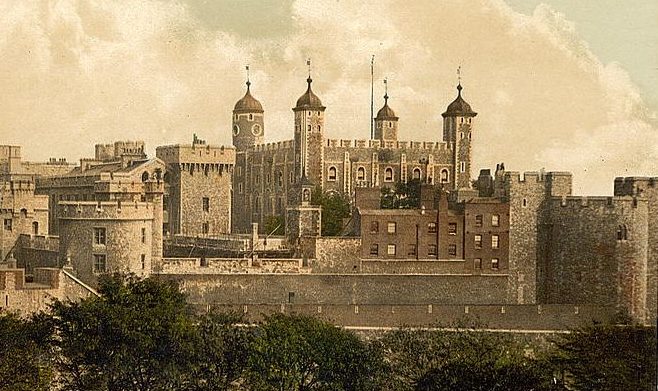
Although Edward’s coronation was scheduled, it was never carried out. The uncrowned king and his brother were lodged in the Tower of London, ostensibly for their safety. But by the summer’s end, they had vanished. The lack of conclusive evidence has left historians and novelists alike to ponder their fate. Were they murdered? If so, by whom? Or did they escape, their true fate hidden in the shadows of history?

Throughout my writing process, I blend genuine family facts with fiction to create a plausible version of the princes’ story. Where possible, I used contemporary sources. And, I discovered a piece of research involving a dynastic marriage that added a layer of authenticity to my narrative. This find was exhilarating, as it lent credibility to the fictional elements of my tale.
In my novel, Elysabeth is portrayed as a woman of remarkable resilience and determination, seeking to navigate the dangerous political landscape of the time. Her vow as godmother binds her to Edward V, driving her to protect him against the sinister forces that threaten his life. Her personal conflict—balancing her loyalty to her husband and sister (Margaret Beaufort, the mother of the future king Henry VII) who had opposing interests—adds depth to her character and highlights the struggle she faced.

The enigma of the princes’ disappearance remains unsolved. The bones claimed to be theirs, interred in Westminster Abbey, have never been authenticated, leaving the door open for speculation and creative interpretation. The Victorian era spawned a renewed interested in their fate as a popular subject for artwork portraying the terrible deed; in fact the artists intentionally made the princes younger than their actual years to create more pathos around their supposed murder.
As a historical fiction novelist, I sift through known facts, rumors, and gossip to weave a narrative that explores possible truths. My story reflects the enduring mystery of the princes and the complex dynamics of power and loyalty in a turbulent period of English history.
In this context, Elysabeth’s journey symbolizes the broader quest for truth and justice. Her character’s development, influenced by genuine historical events and personal dilemmas, resonates with readers who are fascinated by the intersection of fact and fiction. The Godmother’s Secret is the story of the Princes in the Tower, a blend of historical intrigue and personal drama, which continues to captivate audiences, reminding us of the power of storytelling to breathe life into the past. The King’s Intelligencer tells the story of the discovery of bones in the Tower of London in 1674…and King Charles’s conviction that these were the missing princes.





Interesting I haven’t heard of this story in history
It’s a fascinating time. I really enjoyed my research when writing The Godmother’s Secret.