Researching for my novels gives me an opportunity to reflect on the hidden stories of history – “herstory” – that we are discovering more and more frequently in archives and private collections. I am fortunate to be able to search for these whispers of women’s voices in The Lydiard Archives, and listening to their words inspired my family series, The Lydiard Chronicles.
In times of war—whether on battlefields or in bitter political divides—women have often been the ones to hold families together. While men fought, debated, and drew lines in the sand, women worked in the spaces between, healing wounds, bridging divisions, and ensuring that love and loyalty survived even the most fractured moments in history.
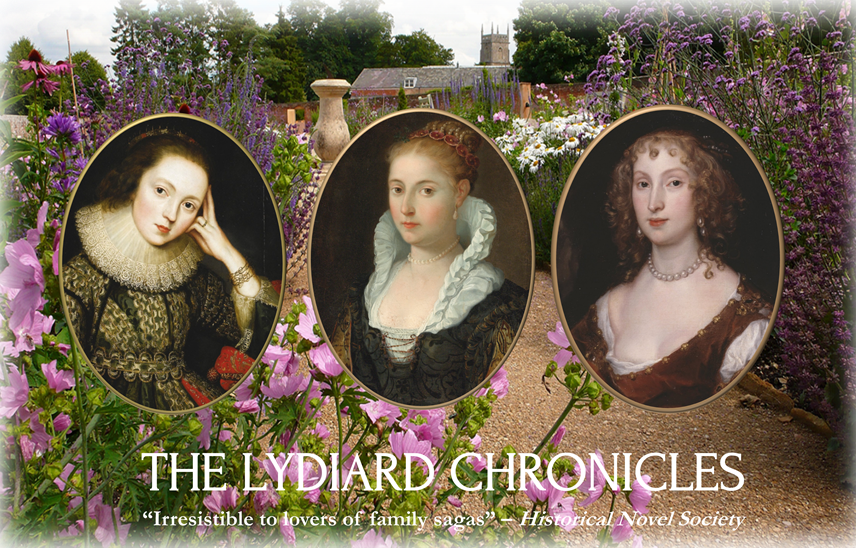 Writing The Lydiard Chronicles, inspired by my own ancestors, I was struck by how women’s roles extended far beyond the domestic sphere. Lucy St.John, Lucy Hutchinson, Frances Apsley and Anne Wilmot were not only daughters, wives, cousins and mothers; they were communicators, protectors, and peacemakers. In Written in Their Stars, their story unfolds across the bitter divides of the English Civil War—where loyalty to the King or Parliament was often a life-or-death decision. And yet, even as their men followed their beliefs to opposing sides, these women refused to let war sever the ties of love and family.
Healing More Than Just Wounds
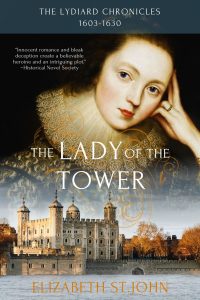
England’s great conflict began early in the seventeenth century, and the theme of women as healers and peacemakers emerged as I researched and wrote the first Lydiard Chronicle, The Lady of the Tower. Lucy St. John, raised in the court of King James I, was from a family that knew how to navigate political storms.

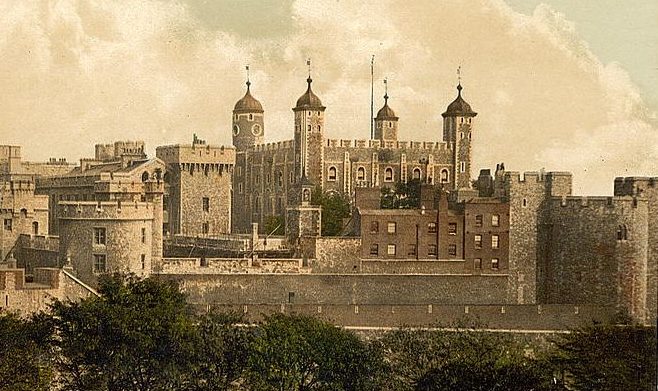
When she married Sir Allen Apsley, the Lieutenant of the Tower of London, she found herself immersed in battles for favouritism, perquisites and funding. The Tower became a focal point for political manoeuvrings among the influential and popular prisoners within. But rather than simply existing in her husband’s shadow, she used her position to care for prisoners such as Walter Raleigh and the Earl of Northumberland, providing them with medicine, books, and dignity. She understood that power came not just from politics but from kindness—and that true strength was found in compassion.

Her daughter, Lucy Hutchinson, held fast to her Puritan beliefs, aligning herself with the Parliamentarian cause even as her brother Allen Apsley fought for the Royalists. Their story of love and conflict inspired much of By Love Divided. But when the war ended, and victors sought revenge, Lucy became a healer in a different way—writing Memoirs of the Life of Colonel Hutchinson to preserve her husband’s honour and his legacy for his children, even when his enemies sought to erase him from history. She wielded words the way a physician wields medicine—to restore what was broken, to ensure that memory, love, and loyalty survived even the harshest of political landscapes. She may have lost her beloved Republic, but her dreams of equality and rights survives up until the present day.
Women as the Bridges Between Wars
The story of Written in Their Stars is not just one of war but of reconciliation. Even as the Apsleys, Hutchinsons, Wilmots and St. Johns found themselves on opposite sides, the women in the family never allowed politics to destroy their love for one another. Letters continued to be exchanged, messages carried across battle lines, healing medicinal curatives exchanged for sick loved ones. These women did not choose war, but they refused to let war choose their loyalties for them.
Lucy Hutchinson and Anne Wilmot may have supported different regimes, but they never saw each other as enemies. Instead, they understood what history often forgets—that wars end, rulers change, and politics shift, but family remains. Even in the darkest moments, they found ways to communicate, to reach across the divide, and to hold onto the bonds that truly mattered.
The Lessons We Can Still Learn
As I researched these women—reading their letters, standing in Lydiard Park where they once walked, uncovering their struggles and triumphs—I saw echoes of our own world. Today, families are still divided by politics, by ideology, by the battle lines we draw between us. But just as these women found ways to heal, to hold on to love, so can we.
They remind us that true strength is not in winning an argument or defeating an opponent. It is in listening, in healing, in keeping the ties that bind us intact. Their resilience, their wisdom, and their refusal to let war define their relationships are what make their stories so powerful—and so relevant today.
In the end, history teaches us that kings and governments come and go. But the women who refuse to let their families be torn apart by conflict? Their legacy endures.
“It is evident that Elizabeth St. John has done extensive research in writing this book based on her own family’s experiences during this time in history. The language she uses is so authentic. Her writing engages the senses with the sights, sounds, and smells of 17th-century life. Her world and characters are so real I wanted to remain there. I loved this book, and the Lydiard Chronicles are now on my list of all-time favorite historical novels. A fantastic read.” – Editor’s Choice, Historical Novel Society Review