Johanna St. John did more than just marry her distant cousin, Sir Walter St. John, 3rd Baronet, around 1651. She helped to unite the St. John family by bringing together the junior and senior branches, and putting an end to the family’s division during the English Civil War. Their union was significant. Sir Walter leaned more towards the Parliamentarian side, but his three elder brothers had died fighting for the King. Johanna, on the other hand, was the daughter of Sir Oliver St. John, Cromwell’s relative and Lord Chief Justice, making her family firmly Roundhead. We don’t know if this was a love match, but this marriage was all about bridging a deep family divide.
Like most country ladies of her time, Lady Johanna’s responsibilities extended beyond supporting her husband and bearing children. She administered to the health and wellbeing of the manor and its tenants, showcasing a profound knowledge of plants, herbs, and curatives, along with basic medical skills. Her legacy includes a vibrant collection of correspondence detailing her pharmaceutical and gardening activities, and a comprehensive “Receit Book” filled with recipes and recommendations for treating various ailments in both people and animals.
Based near London in Battersea, Lord and Lady St. John often sent to their country residence at Lydiard Park in Wiltshire for fresh produce and specific curatives to treat family illnesses. Lydiard Park also served as a haven, away from the ill airs of London, where their children could recover from sickness. Lady Johanna’s letters reveal her meticulous supervision of the plantings in Lydiard’s extensive gardens to ensure a steady supply of essential herbs for her remedies.
 Johanna’s expertise as a gardener and herbalist left behind a unique record of her work. She utilized plants from Lydiard’s formal gardens, which once stretched from the front of the medieval manor house down to the lake. For more exotic ingredients, such as unicorn horn and bezoar stones, she sourced from London apothecaries. Interestingly, the summer drought of 2022 revealed the lost gardens in parch marks, clearly outlining Johanna’s meticulous layout.
 Lady Johanna’s correspondence provides a fascinating glimpse into the health and welfare practices of her time. Her letters discuss the ailments and treatments of those within her circle of family and friends, shedding light on the ingredients used in her curatives. Johanna St. John’s work as a knowledgeable gardener and herbalist stands as a testament to her dedication to the wellbeing of her family and community, and her legacy continues to be an intriguing part of Lydiard Park’s history.
In a letter from 1665, when the plague was devastating London, Aunt Isham, wife of one of the Verneys, “has also a cure for the falling sickness (presumably epilepsy) given her by Lady Shinjane (Lady St.John) as a thing as never failed. Take the misseltoe whch grows sometimes upon the top, & sometimes among the branches of an old oake tree, dry it & beat it to powder & give as much of it as will lye upon a sixpence, 3 mornings together.”
Although many other concoctions of the time had no therapeutical value, mistletoe has a vasodilator action and was formerly used for lowering blood pressure and in the treatment of hysteria and chorea.
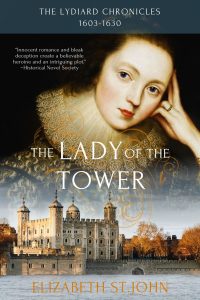
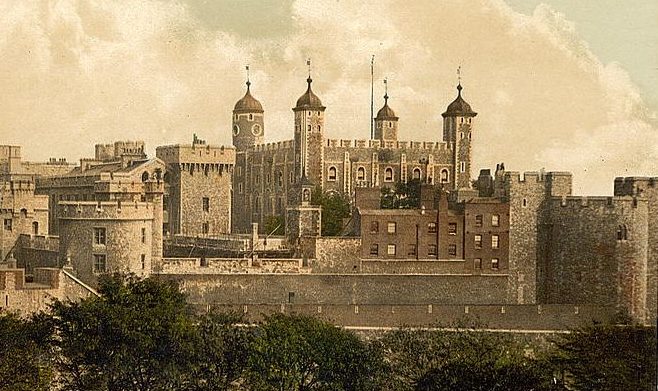
 When writing The Lady of the Tower I featured many of Lady Johanna’s recipes and gardening suggestions. Lucy St. John, who grew her own apothecary garden within the Tower of London, was an aunt by marriage and I have no doubt these precious remedies were family legacies.