Growing up in England, where the weather often invited long hours of reading and the countryside is scattered with castles and ancient churches, I spent much of my childhood immersed in history and books. My parents, passionate about the past, passed that love down to me. Our favourite family outings were what we called “St. John-hunting.” Armed with threads from our family tree, we would venture into forgotten churchyards or country houses, eventually coming face-to-face with our ancestors in dusty records or faded portraits.
My love of genealogy was nurtured by an extensive family tree, meticulously preserved by my great-great aunt in beautiful copperplate writing on oversized Antiquarian paper. Museums and libraries became my second home, where I delved into archives, often uncovering hidden gems. An early discovery, Lucy Hutchinson’s 17th-century memoirs, a key resource for The Lydiard Chronicles, were tucked away in a battered file cabinet at Nottingham Castle when I first encountered them decades ago. It was a thrilling moment, holding her notebooks and realizing the wealth of stories they held.

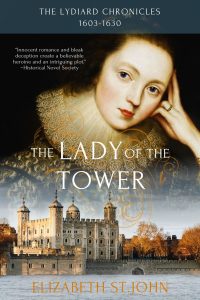
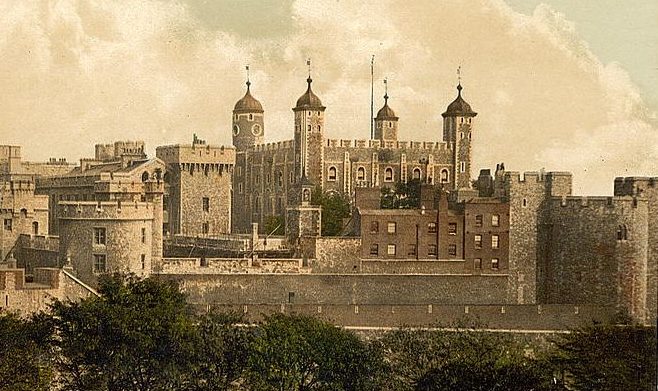
This early fascination with genealogy became the foundation for my writing. Such were the stories I uncovered, that my interest in family history broadened into wanting to write a book. When I began The Lady of the Tower, I felt deeply connected to its characters, thanks to family correspondence, diaries, and portraits preserved at our ancestral home, Lydiard House. These artifacts provided not just inspiration but a tangible link to the past that shaped my understanding of these individuals.
As a historian, I am acutely aware of the importance of primary sources in reconstructing the past. The thrill of discovering a hidden document, the meticulous process of deciphering old handwriting, and the joy of piecing together a narrative from fragmented records are experiences that every archivist and historian cherishes. The National Archives, with its vast collection of documents, offers an unparalleled opportunity to delve into the lives of those who came before us.

The excitement of visiting archives, record offices and libraries is unparalleled for a historian and genealogist. Holding documents that may not have seen the light of day for 400 years, touching parchment where the people in my family—and subsequently my books—have signed their names, is a profound experience. It’s a tangible connection to the past that fuels my passion for uncovering and preserving history. The conservation of these records is not just about keeping the past alive; it is about understanding the context in which historical events unfolded and the lives of the people who experienced them.
An area of particular interest to me is that of strategically arranged marriages. These connections often allow us to “follow the money” and see how political and dynastic agreements changed families—and society. By examining marriage contracts, dowries, and alliances, we can uncover the economic and social strategies that shaped the destiny of entire lines and altered the course of history.

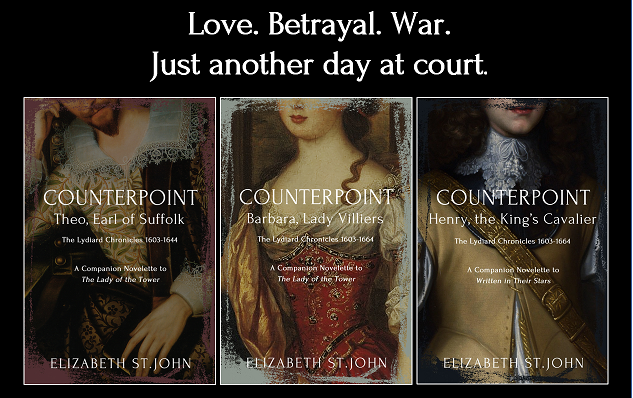
When writing The Lady of the Tower, tiny coincidences convinced me that Barbara St.John and Theophilus Howard, the Earl of Suffolk, not only knew each other, but connived somehow to betray my heroine, Lucy St.John. I wrote the historical fiction based on the scraps of facts I had found in my research, but it wasn’t enough to prove my theory.Finally, when I’d finished the first draft and was ready to edit, I discovered that not only did they know each other, two of Barbara’s children married two of Theo’s. Now I could write with confidence that they were entangled.
In my research, I have come across numerous instances where overlooked documents have shed new light on historical events or provided a more nuanced understanding of well-known narratives. For instance, a seemingly mundane letter can reveal personal details about its author, offering insights into their character and motivations that are often absent from official records. Or a list of bequests attached to a will can show who was in favour – and who wasn’t. As a writer, these discoveries are invaluable, adding depth and richness to my storytelling.
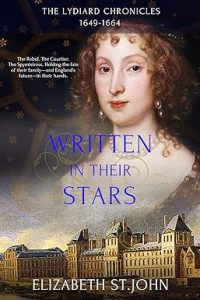
The Lydiard Chronicles are a homage to the power of historical records in bringing the past to life. By weaving together the threads of genealogy and history, I aim to create a vivid tapestry that honours the lives of my ancestors and the countless others who have contributed to our collective heritage. The journey of uncovering these hidden stories is ongoing, and each new discovery is a reminder of the interconnectedness of our past and present.
The thrill of handling ancient documents, the dedication of archivists, and the insights gained from primary sources have all played a crucial role in shaping The Lydiard Chronicles – and myself as a writer. These elements not only enhance the authenticity of my work but also deepen my appreciation for the rich tapestry of history that informs our present and future. I encourage you to visit your local archives, records offices, open that chest in the attic that contains family papers, and do on-the-ground research wherever you can. You never know what hidden stories you might uncover that could change your understanding of history.