Imagine opening a four-hundred-year-old diary, knowing the tragic ending as you read the first optimistic page. Or discovering a cache of letters written by a worried mother to her sister, pleading for remedies for her dying son. You know that her prayers will go unanswered; the recipes may soothe, but won’t cure. A heartfelt petition to parliament swears to the innocence of a hunted man…only to have him die in prison, betrayed by the king’s favourite.

Writing about my ancestors has been a truly emotional journey. Holding their documents, reading their letters, and gazing at their portraits has made me feel connected to them in a profound way. Knowing the challenges they faced, while reading about their hopes and dreams, can be heart-wrenching. Yet, it brings me joy to realize that despite the centuries, we share the same human desires, that even in their darkest moments, they loved and laughed and adored their families. Bringing their stories to life is an honour.

My historical fiction series, The Lydiard Chronicles, is named after Lydiard Park, my family’s ancestral home in Wiltshire. It’s a treasure trove for a writer, filled with portraits and memorials from Elizabethan and Jacobean times. The characters in my books are all real people, and their stories come from memoirs dating back to the 1660s. When I found Memoirs of the Life of John Hutchinson, it was like discovering a doorway to the past. Lucy Hutchinson’s account of her mother, Lucy St. John, brought my ancestors vividly to life, inspiring me to tell their story with accuracy and heart.
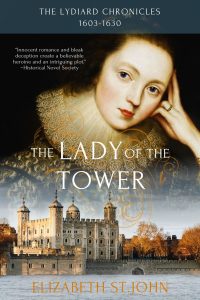
 The first novel, The Lady of the Tower, explores the life of Lucy St. John, wife of the Lieutenant of the Tower of London, in the early 1600s. While living in the Tower, Lucy witnessed history firsthand, caring for Sir Walter Raleigh in his later years and even lending him her henhouse for his alchemy experiments. In a twist of fate, she also became the guard of Frances Howard, Countess of Somerset, who was imprisoned for instigating the murder of Thomas Overbury. Lucy’s responsibilities extended beyond organizing food for prisoners; she took care of their wellbeing, making broths and restoratives, and comforting the sick. Her daughter’s diary notes that Lucy was “as a mother” to all who entered the Tower. I also included medicinal recipes in my novel from Lady Johanna St. John’s Recipe Book, imagining that some may have come from Lucy herself.

In writing the story of Lucy St. John’s children, Allen and Luce, I returned to Lucy Hutchinson’s first-hand account of the English Civil War. By Love Divided, the second book in The Lydiard Chronicles, follows the family as Lucy embraces the Puritan cause, while her son fights for King Charles. Writing about the devastation of war from the perspective of those whose lives are torn apart was difficult, especially knowing what awaited them. Yet, it was important to balance the sorrow of conflict with the daily emotions of love, joy, and life. Luce’s experiences of dancing, music, falling in love, and raising healthy children were as essential as the battles and losses they endured. Based on contemporary diaries, letters, and documents, By Love Divided explores the heartbreaking choices my family faced while staying loyal to one another throughout the civil war.

In the third book of the series, Written in Their Stars, we travel with three cousins – Lucy Hutchinson, Frances Apsley and Nan Wilmot, wife of the Earl of Rochester. Through the challenges of Cromwell’s Commonwealth to the Restoration of King Charles, these women fight for their own future — and England’s. As courtiers, rebels and spies, they emerge from the shadows of history to reunite the family and look to the future. Discovering code names, secret letters and underground spy networks was a fascinating part of family history that proved irresistible to read and write about.
And that mother, writing desperate letters for a cure for her dying son? Anne Wilmot, Dowager Countess of Rochester, nursed John Wilmot in his final days. She wrote, quite frequently, to her sister-in-law, Lady Johanna St.John, asking for recipes and thanking her for curatives. Sadly, they did not have a lasting effect, but the letters remain in our archives.
The family motto “Data Fata Secutus”—”Following their fate”—guided my writing through it all. I may have known their fate, but my ancestors discovered their destiny page by page.
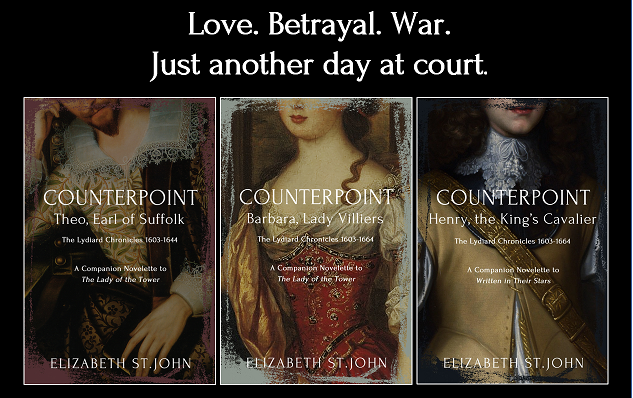
The Lydiard Chronicles, and The Missing Princes Mysteries are available on Amazon.