World-building is the foundation of my writing, and I immersed myself in the perilous and uncertain times of the 17th century to authentically bring The King’s Intelligencer to life. I pored over historical accounts and letters, visiting landmarks and exploring archives to experience the atmosphere my characters would have felt. The sounds, sights, and shadows of 17th-century London became my guide as I placed Franny Apsley in a landscape fraught with fear, where alliances were fleeting, and every conversation could harbour treason.
 The Restoration period was a time of both hope and suspicion. Charles II’s return to the throne after the Interregnum marked a new beginning, but it was one woven with the remnants of war, distrust, and religious strife. Understanding this backdrop allowed me to craft Franny’s world as one haunted by recent trauma—both the visible scars of the Great Fire and the still-raw memories of plague.
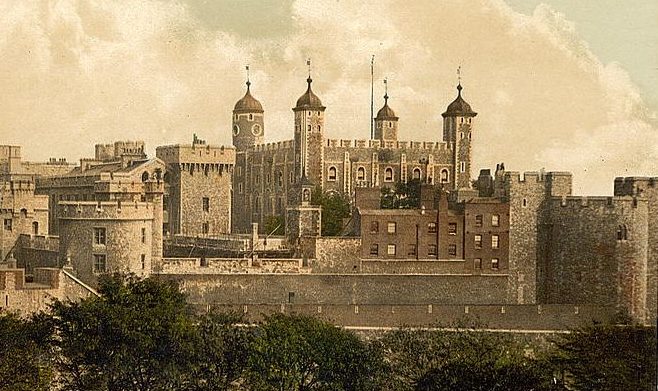
 Walking through modern London, I imagined the city under the conflicted spectre of the Restoration, superficially a time of celebration and merriment, but with an undercurrent of darkness and insurrection. Navigating alleyways and riverside steps, I could imagine these landmarks as silent witnesses to disaster, political unrest, and the daily threat of betrayal. Franny’s experiences as a court intelligencer are shaped by this environment, and through her, I aimed to capture the tension of living in a city of emotional conflict.
Religious conflict was another element I wove deeply into the story. The fear of Catholic plots—whether real or imagined—created an atmosphere of paranoia, turning neighbours and colleagues into potential enemies. Charles II’s court was rife with anti-Catholic sentiment, and the government’s reliance on informants became a double-edged sword. My research into these tensions helped me depict Franny’s role as an intelligencer as one filled with constant danger, forcing her to navigate both her loyalty to the king and the treacherous undercurrents of religious prejudice.
In The King’s Intelligencer, I also explored how superstition permeated daily life and statecraft alike. For Londoners of the time, omens and portents were integral to their understanding of the world. From astrological predictions to signs in the natural world, superstition offered a way to interpret events that seemed beyond control. This led to a delicate line for my characters between rational action and fear-driven choices, creating a world where Franny could trust neither what she saw nor what she was told.
Ultimately, writing this novel allowed me to bring history’s fragility and volatility to the page. By delving into the minds and motives of those who lived through these turbulent years, I could illustrate how loyalty, fear, and faith intersected in the lives of ordinary people and the powerful alike. For Franny, the journey is a precarious one, constantly shifting with the tides of political and religious intrigue, shaped by a time when survival depended as much on wit and caution as on any oath or loyalty.
The King’s Intelligencer, along with my other novels, is available on Amazon and Kindle Unlimited.