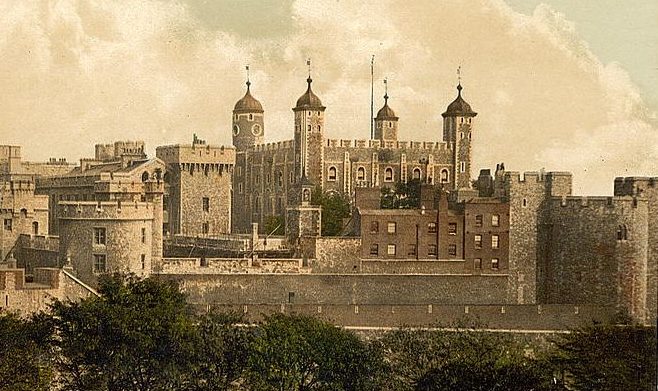
The mystery of the missing princes—Edward V and his brother Richard, Duke of York—captured the imagination of Victorians like no era before. Fuelled by Gothic revivalism, romanticism, and a growing interest in medieval history, the story of the young heirs allegedly murdered in the Tower of London became a cultural obsession. Writers, painters, and dramatists revisited the tragedy, blending fact, speculation, and sentiment.
 This intrigue found vivid expression in the visual arts. Paul Delaroche’s 1830 work, The Children of Edward, presents the princes huddled together, their faces marked by fear and uncertainty. A vigilant dog senses danger, and the inclusion of a prayer book underscores their vulnerability.
 Sir John Everett Millais’s 1878 painting, The Princes in the Tower, housed at Royal Holloway, University of London, portrays the young princes in a dimly lit chamber, their expressions a blend of apprehension and innocence. A shadowy figure looms on the staircase, suggesting the impending doom that awaits them.

Henrietta Ward’s 1864 painting offers a poignant moment where the younger prince is led into the chamber, only to find his brother already imprisoned. The depiction of Richard III as a menacing figure and the subtle detail of a half-eaten apple evoke a sense of lost innocence.

James Northcote’s 1786 painting, The Murder of the Princes in the Tower, captures the harrowing moment of their assassination, drawing inspiration from Shakespeare’s Richard III. The scene is rendered with dramatic intensity, emphasising the brutality of the act. The boys are also portrayed as significantly younger than their actual ages.
 Charles Robert Leslie’s 1837 painting, The Two Princes in the Tower, depicts the brothers in prayer, their nightshirts and innocent demeanour highlighting their youth and the tragedy of their fate.
These artworks reflect the Victorian era’s preoccupation with the moral implications of history and the enduring allure of unresolved mysteries. Through their depictions, artists not only mourned the loss of innocence but also critiqued the corrupting influence of power, resonating with contemporary concerns of their time. For those interested in exploring these poignant artworks, many are accessible through institutions such as Art UK, the National Trust, and the Victoria and Albert Museum.
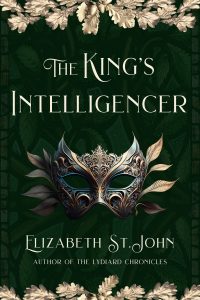
There is no doubt that the mystery of the missing princes fired the imagination of kings and commoners alike. My novel, The King’s Intelligencer, was born from the discovery of children’s bones in the Tower in 1674, and the triumphant announcement by King Charles II that he had solved the mystery. Centuries later, we are still debating the real story.